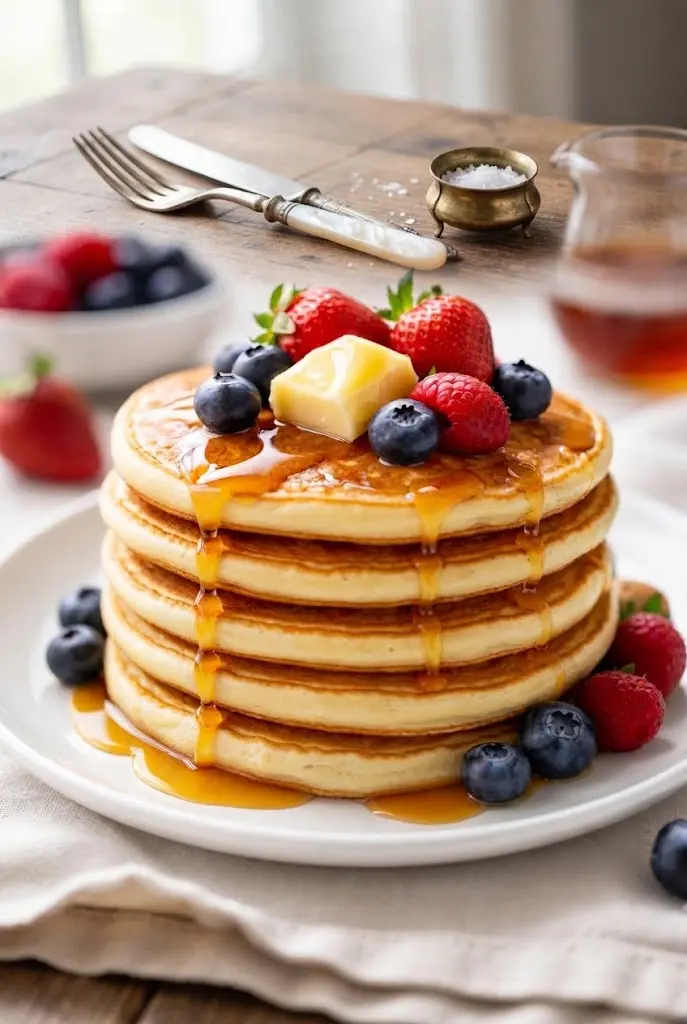
The Best Pancakes with Almond Milk for a Cozy Homemade Breakfast
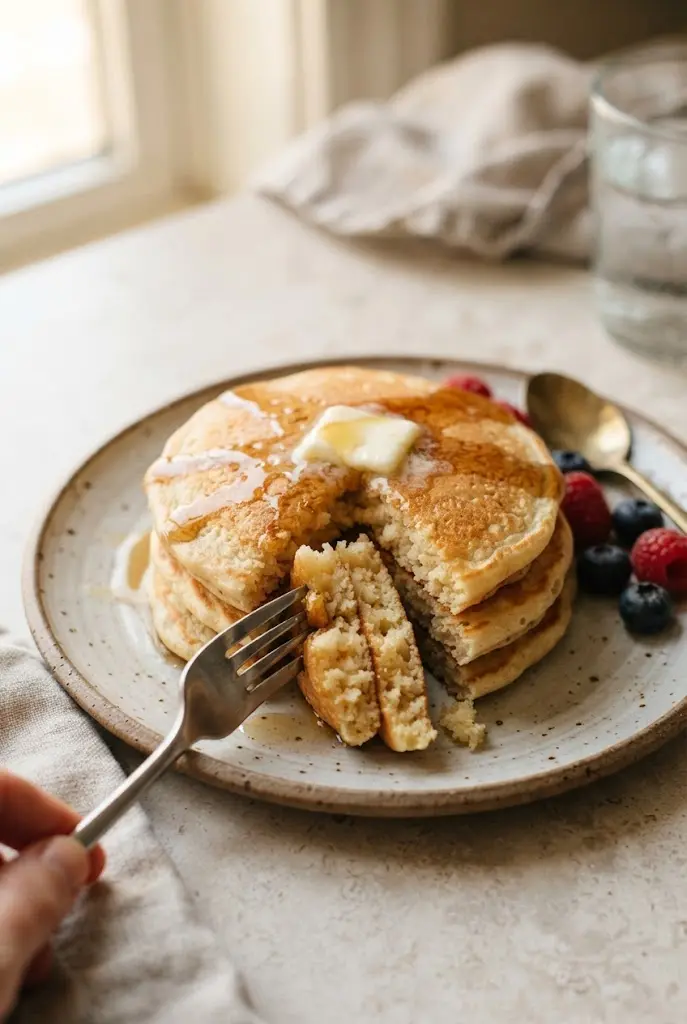
These pancakes with almond milk are light, fluffy, and easy to make with everyday breakfast ingredients. Almond milk replaces regular milk in a simple batter, while a little vanilla and melted butter add classic pancake flavor. Serve them warm with maple syrup, fresh berries, or a pat of butter for an easy homemade breakfast.
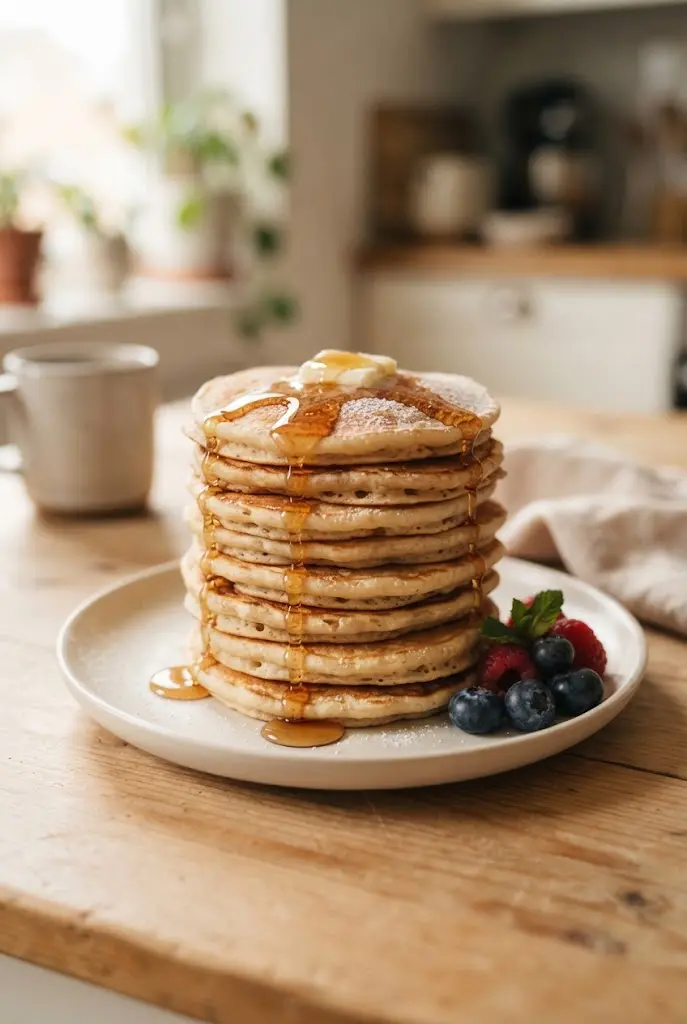
Why You’ll Love This Recipe
- Fluffy and tender: A gentle mixing method keeps the pancakes soft instead of dense.
- Made with almond milk: A convenient option when almond milk is what you have in the refrigerator.
- Simple ingredients: Most of the ingredients are common pantry and refrigerator staples.
- Quick breakfast: The batter comes together in about 10 minutes.
- Easy to customize: Add blueberries, chocolate chips, cinnamon, or chopped nuts.
- Freezer friendly: Extra pancakes can be frozen and reheated for another breakfast.
Ingredients
You’ll need all-purpose flour, almond milk, an egg, melted butter, sugar, baking powder, vanilla, and a little salt.
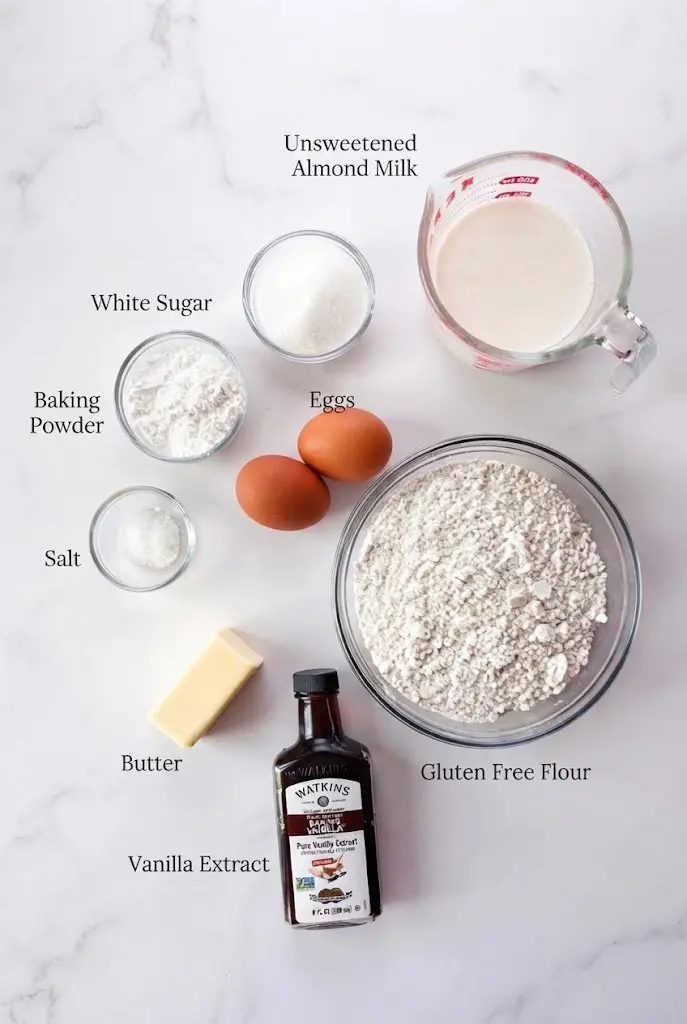
Ingredient Notes
Almond milk: Unsweetened almond milk works best because it gives you control over the sweetness. Vanilla almond milk can also work, but the finished pancakes will have a little more vanilla flavor and sweetness.
All-purpose flour: Regular all-purpose flour provides the structure while keeping the pancakes tender.
Baking powder: This is the main leavening ingredient responsible for the pancakes’ lift and fluffy texture.
Egg: The egg helps bind the batter and contributes to the pancakes’ tender interior.
Butter: Melted butter adds richness and helps give the pancakes a classic breakfast flavor. Let it cool slightly before adding it to the wet ingredients.
Vanilla: A small amount rounds out the flavor without making the pancakes taste strongly of vanilla.
Sugar: Just enough granulated sugar adds mild sweetness and encourages light browning on the griddle.
How to Make Pancakes with Almond Milk
Mix the Dry Ingredients
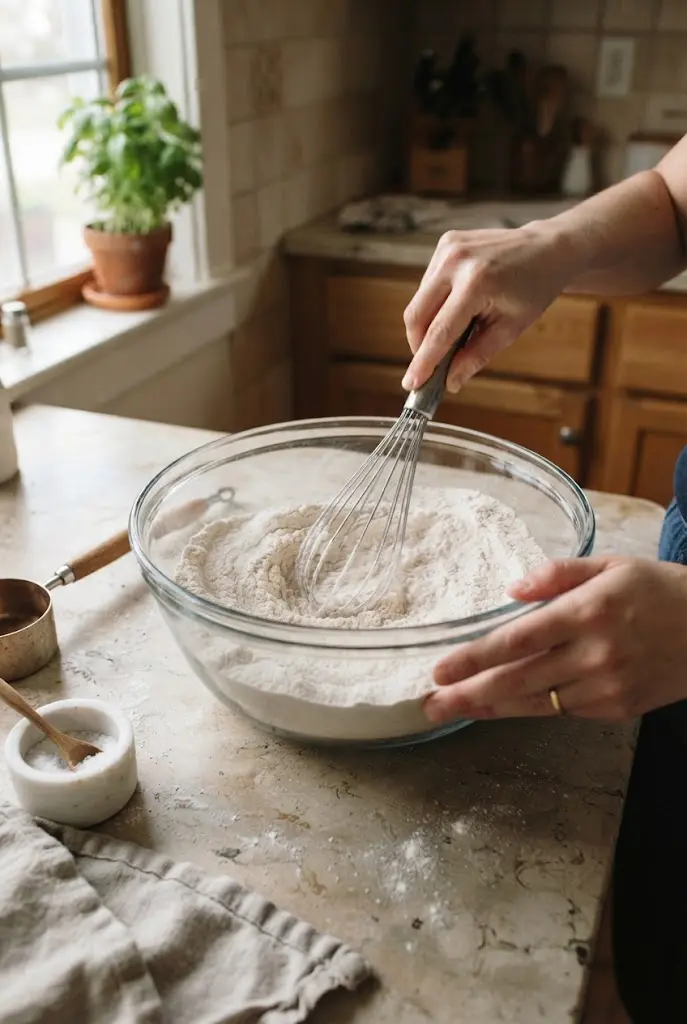
In a large mixing bowl, whisk together the all-purpose flour, sugar, baking powder, and salt. Whisk for about 20–30 seconds so the baking powder and salt are distributed evenly throughout the flour.
Whisk the Wet Ingredients
In a separate bowl or large measuring cup, whisk together the almond milk, egg, melted butter, and vanilla until the egg is fully incorporated. Make sure the melted butter has cooled enough that it won’t scramble the egg when combined.
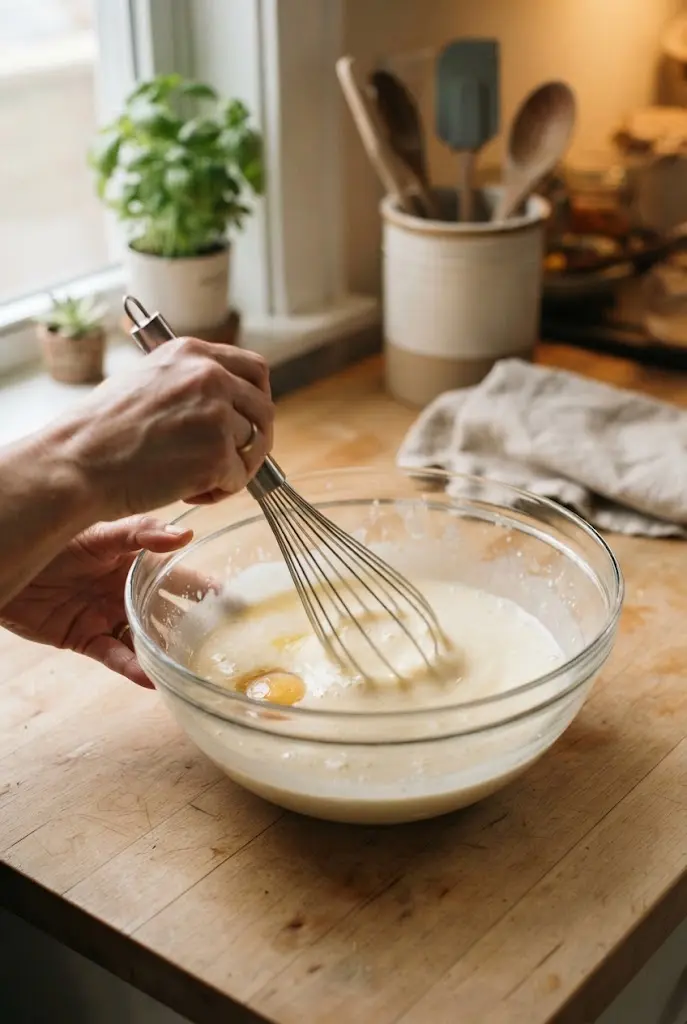
Combine the Batter
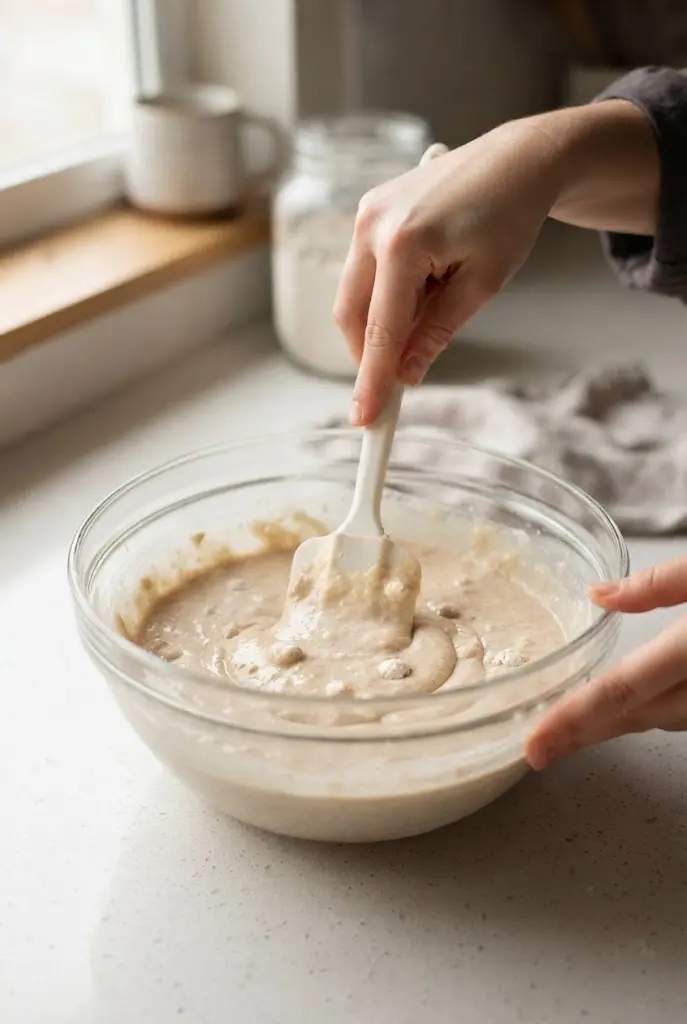
Pour the wet mixture into the bowl with the dry ingredients. Fold gently with a whisk or rubber spatula just until no large pockets of dry flour remain.
The batter should be thick but pourable, with a few small lumps. Don’t keep stirring until perfectly smooth; overmixing can make the pancakes tough rather than tender.
Heat the Skillet
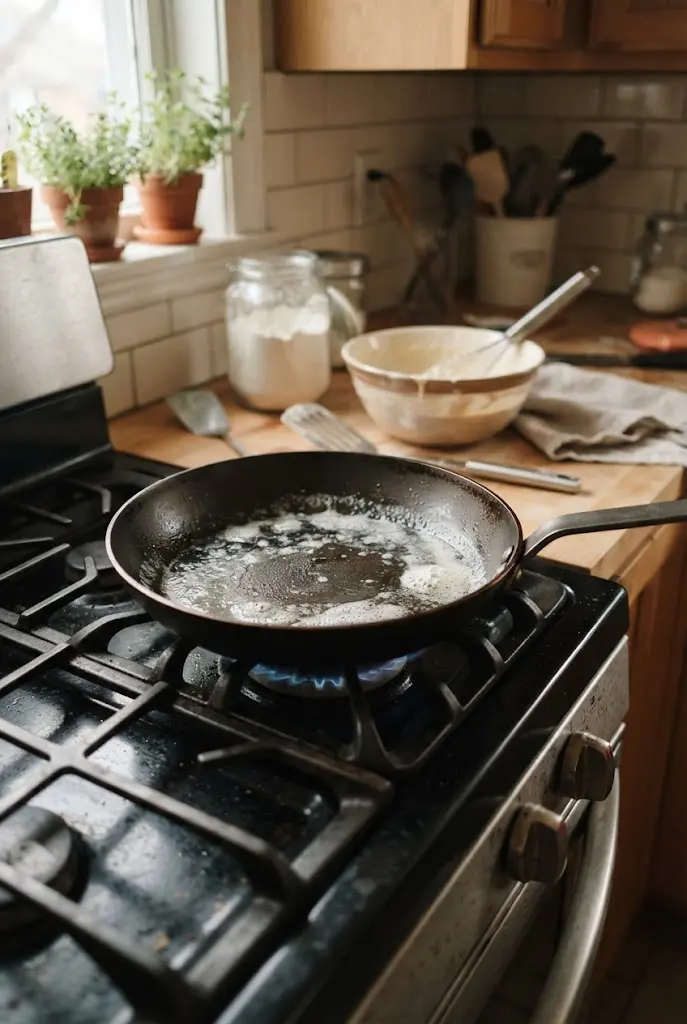
Place a large nonstick skillet or griddle over medium heat. Lightly grease it with a small amount of butter or neutral oil.
Give the pan a couple of minutes to heat. You want the cooking surface hot enough to brown the pancakes steadily without burning the butter.
Cook the First Side
For each pancake, pour about 1/4 cup of batter into the hot skillet. Leave space between pancakes so you can flip them comfortably.
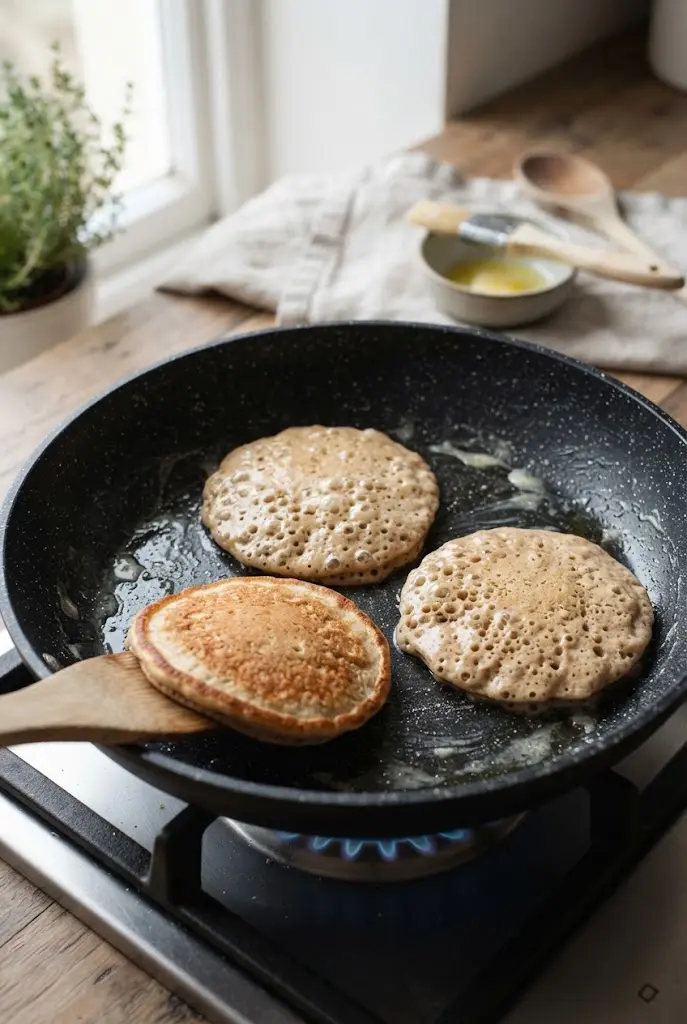
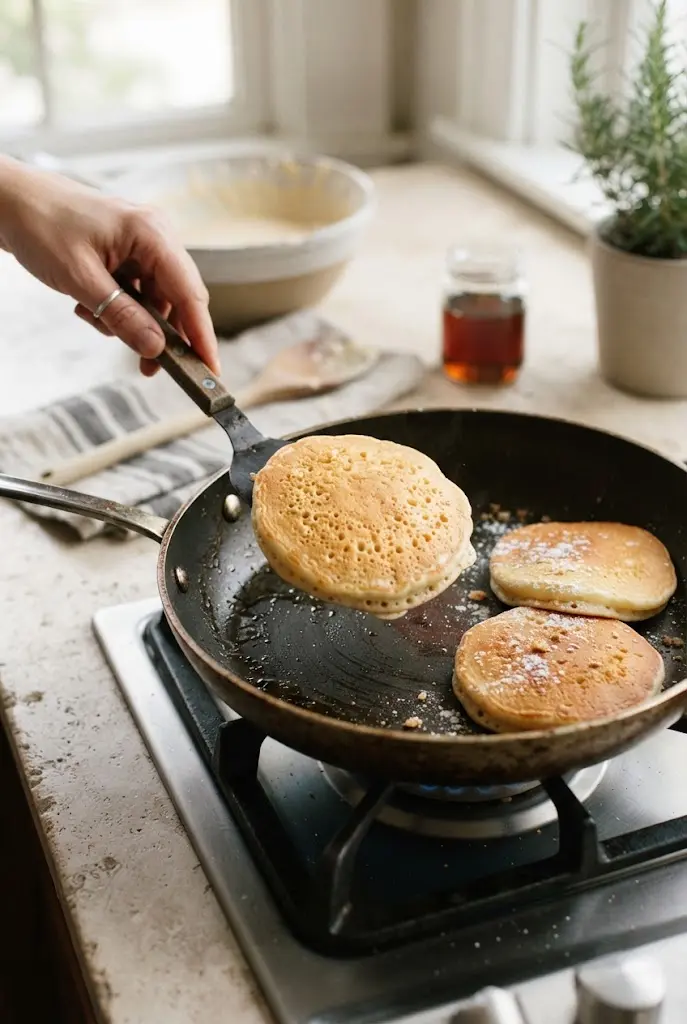
Cook for about 2–3 minutes, or until bubbles form across the surface and the edges look set and slightly dry. The underside should be golden brown.
Flip and Finish Cooking
Slide a thin spatula under each pancake and flip it in one confident motion. Cook the second side for another 1–2 minutes, until golden brown and cooked through.
Transfer the finished pancakes to a plate and continue with the remaining batter. If you’re making a large batch, keep the cooked pancakes warm in a low oven while you finish cooking.
Serve Warm
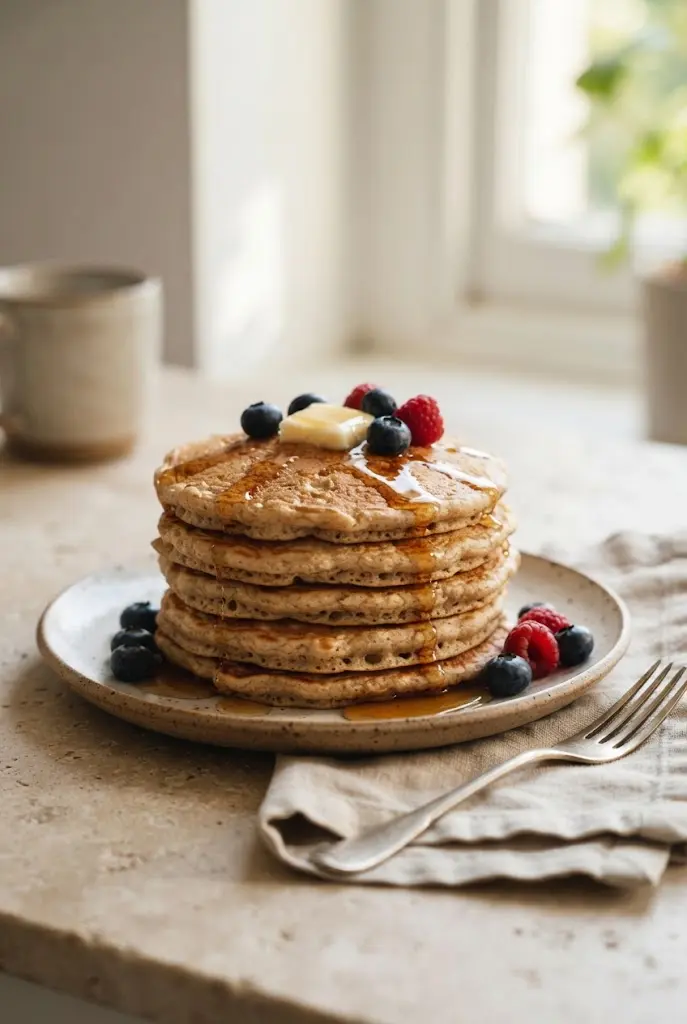
Stack the pancakes while they’re warm and add butter and maple syrup just before serving. Fresh blueberries, strawberries, sliced bananas, chopped pecans, or a light dusting of powdered sugar are easy additions.
Recipe Tips
- Don’t overmix the batter. A few small lumps are fine. Mixing until completely smooth develops more gluten and can leave you with chewy pancakes.
- Use medium heat. If the pan is too hot, the outside can brown before the center cooks. If it’s too cool, the pancakes may become pale and absorb more cooking fat.
- Measure flour correctly. Spoon flour into a dry measuring cup and level the top rather than packing flour directly into the cup.
- Let the batter rest briefly. A 5-minute rest gives the flour time to hydrate and makes the batter a little more cohesive.
- Grease lightly between batches. Too much butter or oil can make the pancake surfaces unevenly browned.
- Flip only once when possible. Wait for bubbles and set edges before flipping, then let the second side finish without repeatedly turning the pancake.
Why Almond Milk Works in Pancakes
Almond milk can be used in pancake batter much like regular milk. Because it is generally thinner and lower in fat than whole milk, the butter in this recipe supplies some of the richness that would otherwise come from dairy milk.
The key is keeping the batter thick enough to hold its shape in the skillet. If your particular almond milk is especially thin, add a tablespoon of flour only if the finished batter looks noticeably loose.
Variations and Substitutions
Dairy-free pancakes: Use a plant-based butter or neutral oil instead of regular butter. Check the labels of all ingredients if you need to avoid dairy completely.
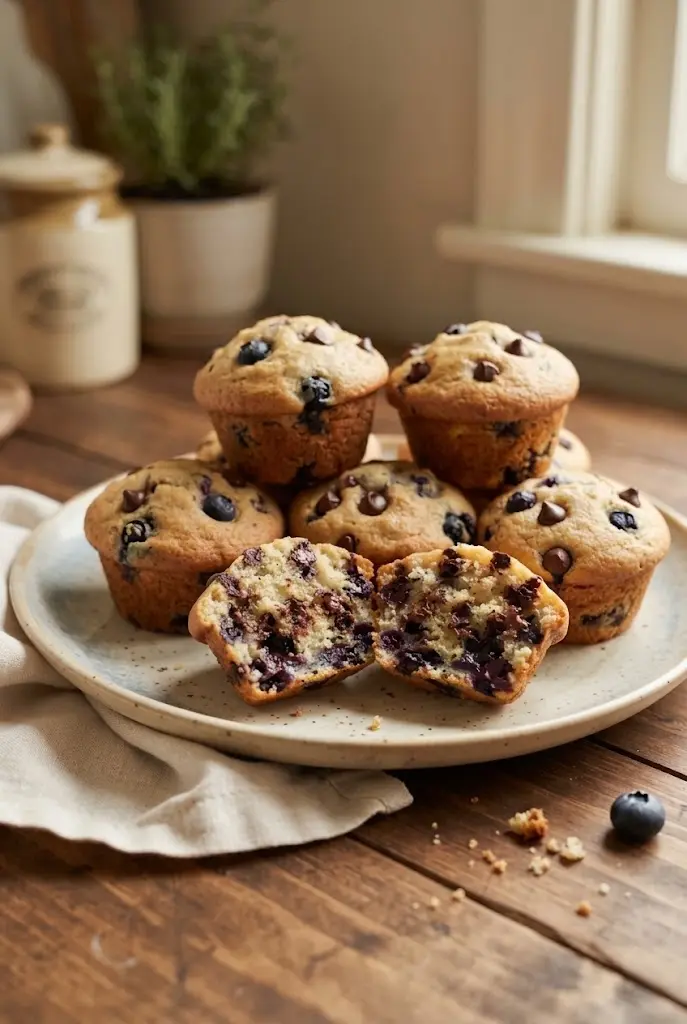
Blueberry pancakes: Fold about 3/4 cup fresh blueberries gently into the finished batter. Add them after mixing rather than vigorously stirring them through.
Chocolate chip pancakes: Fold 1/2 cup semisweet chocolate chips into the batter. Mini chocolate chips distribute especially well through smaller pancakes.
Cinnamon pancakes: Add 1 teaspoon ground cinnamon to the dry ingredients for a warmer flavor.
Vanilla almond milk: Vanilla almond milk can replace unsweetened almond milk. If it is sweetened, you may want to reduce the added sugar slightly.
Whole-wheat option: Replace up to 1/2 cup of the all-purpose flour with whole-wheat flour. The pancakes will be somewhat heartier and may need a splash of additional almond milk if the batter becomes too thick.
What to Serve With Pancakes with Almond Milk
These pancakes are flexible enough for a simple weekday breakfast or a more substantial weekend spread.
- Pure maple syrup: The classic topping for warm pancakes.
- Fresh berries: Blueberries, strawberries, raspberries, or blackberries add fresh flavor.
- Sliced banana: Especially good with cinnamon or chopped nuts.
- Greek yogurt: Adds a creamy, tangy contrast to the sweet pancakes.
- Chopped pecans or walnuts: Sprinkle a small amount over the stack for crunch.
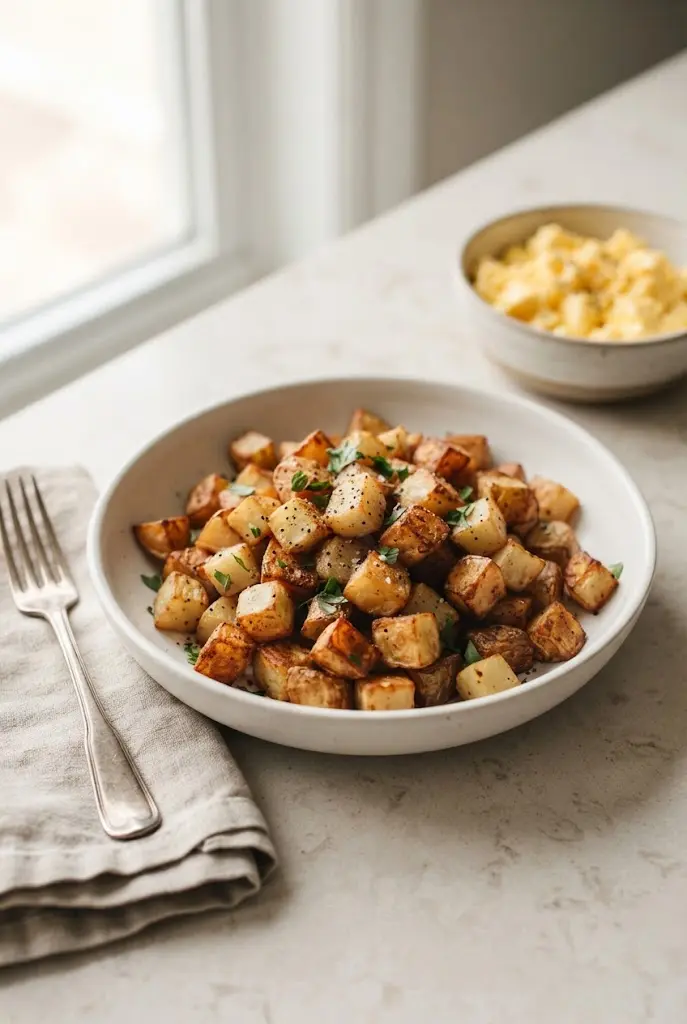
- Scrambled eggs or breakfast sausage: A savory side makes the meal more filling.
Storage and Reheating
Refrigerator
Let leftover pancakes cool completely, then place them in an airtight container or resealable bag. Refrigerate for up to 4 days.
Stacking them with small pieces of parchment between pancakes can make them easier to separate.
Freezer
These pancakes freeze well. Let them cool completely, then arrange them in a single layer on a baking sheet and freeze until firm. Transfer them to a freezer-safe bag or container, separating individual pancakes with parchment paper.
For best quality, use frozen pancakes within about 2 months.
Reheating
For a quick breakfast, microwave refrigerated or frozen pancakes until heated through. Frozen pancakes can also be reheated in a toaster or toaster oven for a slightly firmer surface.
Avoid overheating them, since excessive microwave time can make the edges rubbery.